
Why do permits delay construction projects?
Understanding the Most Common Source of Construction Delays
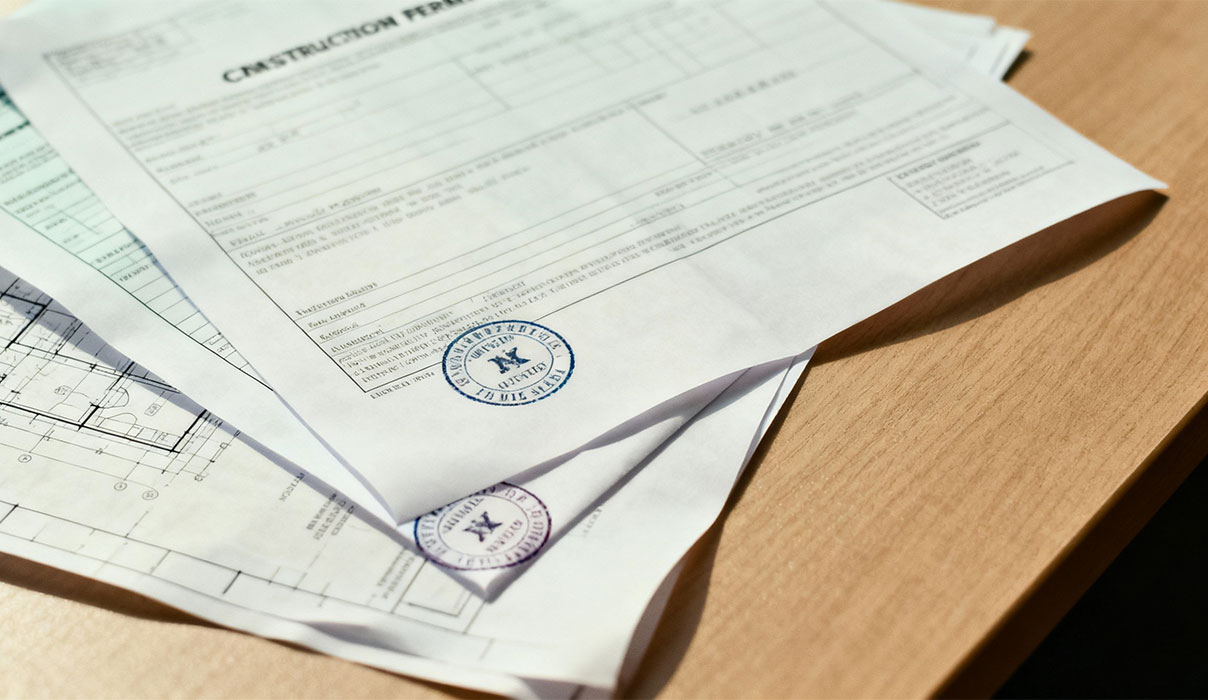
Permits are one of the most frequent causes of construction delays. While permits exist to protect safety and ensure compliance, misunderstandings about the process often lead to missed timelines and unexpected costs.
Understanding why permits cause delays, and how to plan for them, helps property owners reduce disruption before construction begins.
Permits Are a Process, Not a Single Step
Many people assume permits are issued quickly once plans are submitted. In reality, permitting is a multi-step process that may include plan review, revisions, approvals, and inspections.
Each step takes time, and delays often occur when expectations are not aligned with how the process actually works.
Incomplete or Inaccurate Plans
One of the most common reasons permits are delayed is incomplete documentation. Missing details, unclear drawings, or inconsistent information can trigger review comments and resubmissions.
Well-prepared plans reduce back-and-forth and help applications move through the approval process more efficiently.
Zoning Conflicts and Code Issues
Zoning regulations and building codes must align with the proposed project. If a project does not meet zoning requirements or code standards, approvals may be delayed or denied.
Common issues include:
- Setback violations
- Use not permitted by zoning
- Lot size or coverage limits
- Height or structure restrictions
Confirming zoning compliance early prevents avoidable delays.
Review Timelines Vary by Jurisdiction
Permit timelines are not universal. Review schedules vary by municipality, staffing levels, and project complexity.
Some jurisdictions review permits quickly, while others may require several weeks or longer. Assuming all permit offices operate the same way often leads to scheduling issues.
Inspections Can Pause Progress
Even after permits are issued, required inspections can slow progress if not scheduled properly. Missed inspections, failed inspections, or unavailable inspectors can halt work temporarily.
Planning inspection timing into the construction schedule helps maintain momentum.
How Early Planning Reduces Permit Delays
Permit-related delays are often the result of late planning. Addressing permitting requirements early allows time for review, revisions, and approvals without impacting construction schedules.
Early planning helps:
- Identify required permits
- Confirm zoning compliance
- Align schedules with review timelines
- Reduce last-minute changes
When Professional Guidance Helps Most
Builders and development professionals familiar with local permitting processes can anticipate common issues and prepare accordingly. Experience helps identify what permit reviewers typically look for and how to avoid unnecessary delays.
Early guidance often prevents issues that cause projects to stall.
Final Thoughts
Permits are a necessary part of construction, but they do not have to derail a project. Most delays are avoidable with realistic expectations, complete documentation, and early planning.
Understanding the permitting process before construction begins helps protect timelines, budgets, and overall project success.
FREQUENTLY ASKED QUESTIONS
Do all construction projects require permits?
Most projects involving structural work, utilities, or major changes require permits.
Can construction start while permits are under review?
In most cases, no. Work typically must wait until permits are approved.
Are permit delays predictable?
While timelines vary, experienced planning can significantly reduce surprises.