
How does proper planning save money before construction starts?
Why the Most Important Cost Decisions Happen Before the First Nail Is Driven
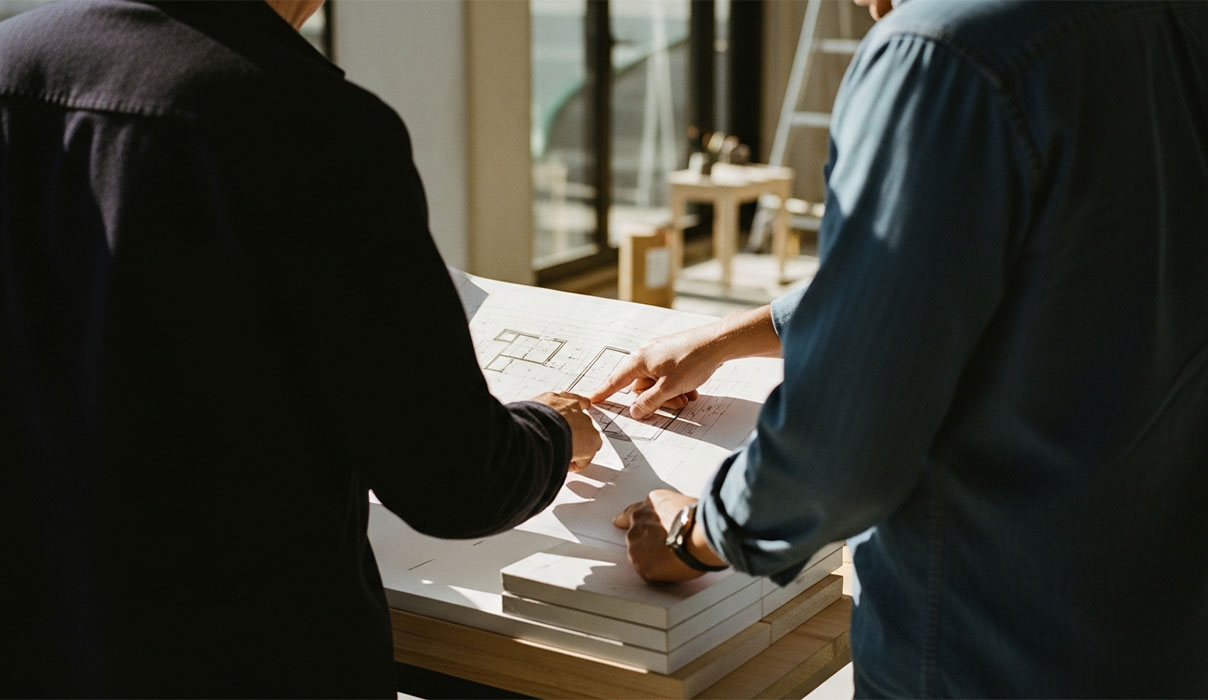
Many people associate construction costs with materials and labor during the build. In reality, some of the most expensive mistakes occur long before construction begins. Proper planning reduces uncertainty, prevents rework, and helps property owners make informed decisions before money is committed.
Investing time in planning often saves significantly more than it costs.
Planning Reduces Guesswork
Construction projects that begin without clear planning rely heavily on assumptions. Assumptions create change orders, delays, and cost overruns.
Proper planning establishes:
- Defined scope of work
- Realistic timelines
- Clear expectations between parties
When expectations are aligned early, fewer surprises occur later.
Early Budget Clarity Prevents Cost Overruns
A well-developed plan allows budgets to be built around reality instead of estimates. Planning helps identify:
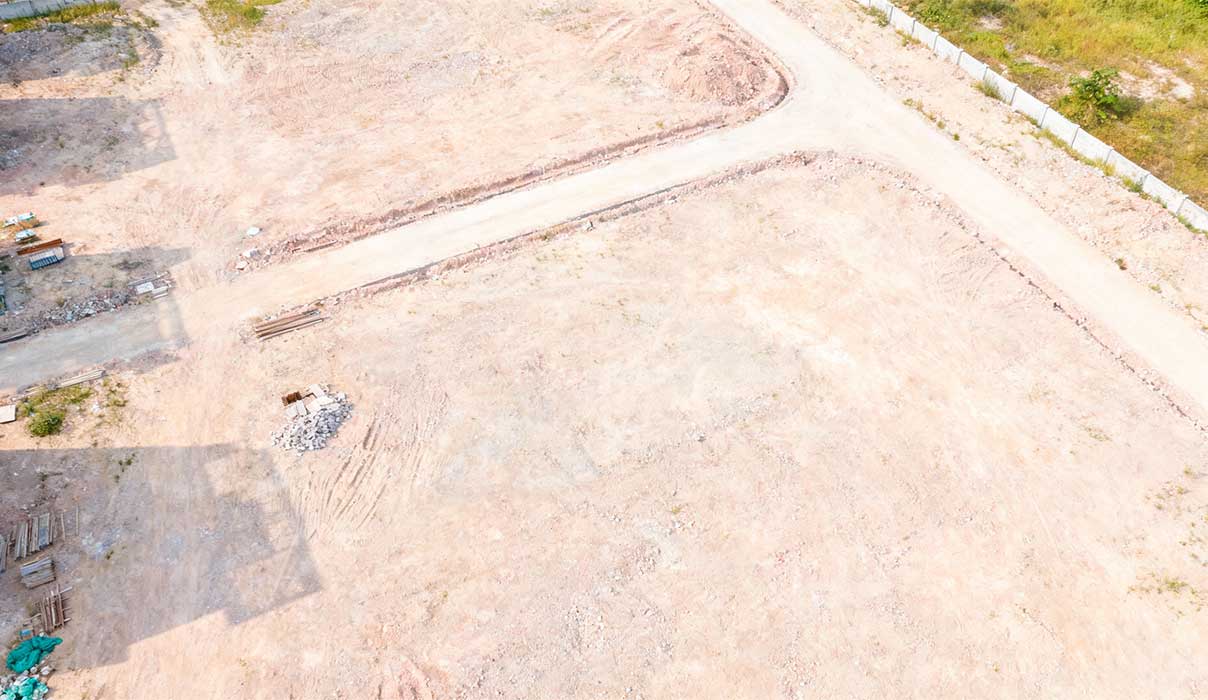
- Site preparation costs
- Utility requirements
- Material availability
- Construction sequencing
Without this information, budgets are often incomplete or unrealistic.
Design Decisions Are Cheaper on Paper
Making changes during construction is far more expensive than making them during planning. Adjustments to layout, structure, or systems are easier and less costly when they exist only on paper.
Proper planning encourages decisions to be finalized before construction begins, reducing waste and inefficiency.
Scheduling Matters More Than Most Owners Expect
Delays cost money. Poor scheduling can create idle labor, missed inspections, and material delivery issues.
Planning allows schedules to account for:
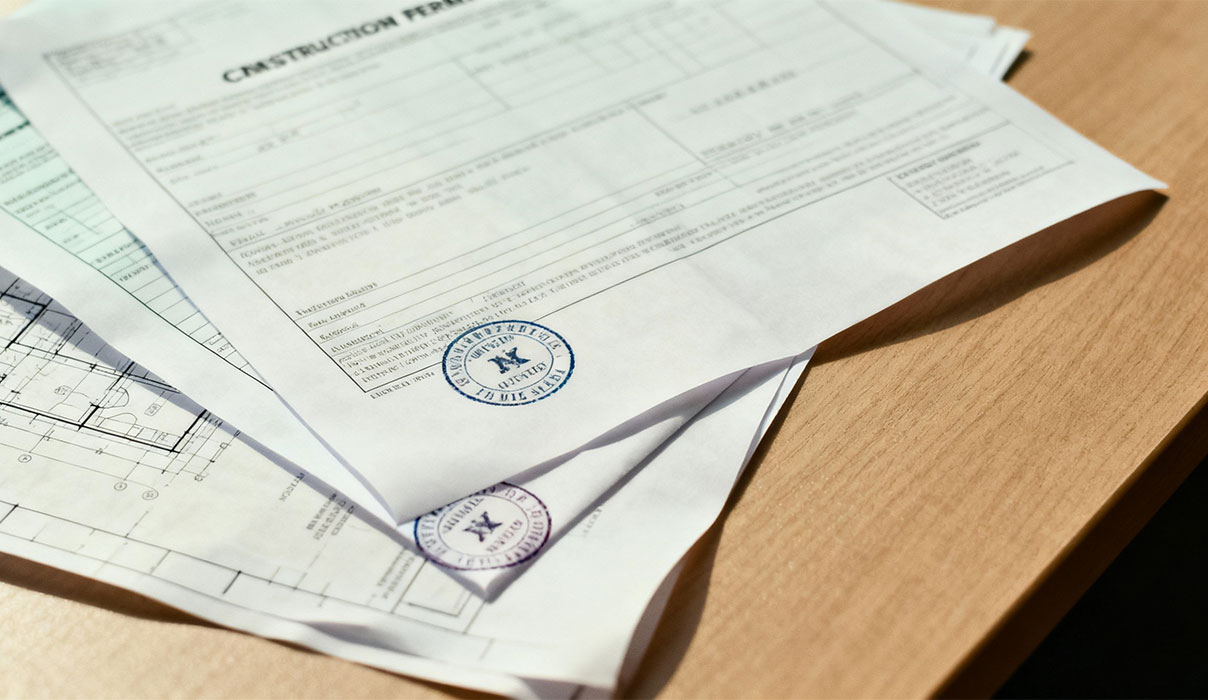
- Permit timelines
- Trade coordination
- Seasonal considerations
- Inspection sequencing
A realistic schedule helps keep projects moving efficiently.
Risk Identification Happens Early
Every construction project carries risk. Planning helps identify potential issues before they affect cost or schedule.
Examples include:
- Access limitations
- Soil or drainage concerns
- Utility conflicts
- Regulatory constraints
Addressing these issues early reduces expensive mid-project corrections.
Owner Representation Strengthens the Planning Phase
Owner representation during planning provides an experienced perspective focused on protecting the owner’s interests. This guidance helps ensure plans, budgets, and schedules align before commitments are made.
Early oversight often prevents decisions that lead to unnecessary cost increases later.
Planning Supports Long-Term Value
Construction decisions affect long-term maintenance, performance, and resale value. Planning helps ensure choices align with how the property will be used over time, not just initial cost.
Well-planned projects tend to perform better and hold value longer.
Final Thoughts
Proper planning is not an added expense. It is a cost-control strategy. By investing time and effort before construction starts, property owners can avoid many of the most common and costly issues that arise during a build.
Planning creates clarity, reduces risk, and protects financial outcomes.
FREQUENTLY ASKED QUESTIONS
Is planning only important for large projects?
No. Smaller projects often benefit even more because budgets are tighter.
Does planning eliminate all construction issues?
No, but it significantly reduces avoidable problems.
When should planning begin?
Planning should begin before contracts are signed or materials are ordered.