
Understanding the Role, Responsibilities, and Value of a Licensed Builder
When most people hear the term licensed residential builder, they assume it simply means someone who constructs homes. In reality, the role is far more involved. A licensed residential builder is responsible for overseeing construction, managing risk, coordinating trades, ensuring compliance, and protecting the long-term interests of the property owner.
Understanding what a licensed builder actually does helps homeowners, buyers, and property investors make better decisions before construction ever begins.
What Is a Licensed Residential Builder?
A licensed residential builder is a professional authorized by the state to construct, manage, and oversee residential building projects. Licensing exists to protect consumers by ensuring builders meet required standards for knowledge, experience, and accountability.
A licensed builder is legally responsible for the construction process and is held to regulatory, safety, and contractual obligations that unlicensed individuals are not.
Core Responsibilities of a Licensed Residential Builder
Project Oversight and Coordination
A licensed residential builder manages the overall construction process. This includes scheduling work, coordinating subcontractors, ordering materials, and ensuring that each phase of the build progresses correctly.
Code Compliance and Inspections
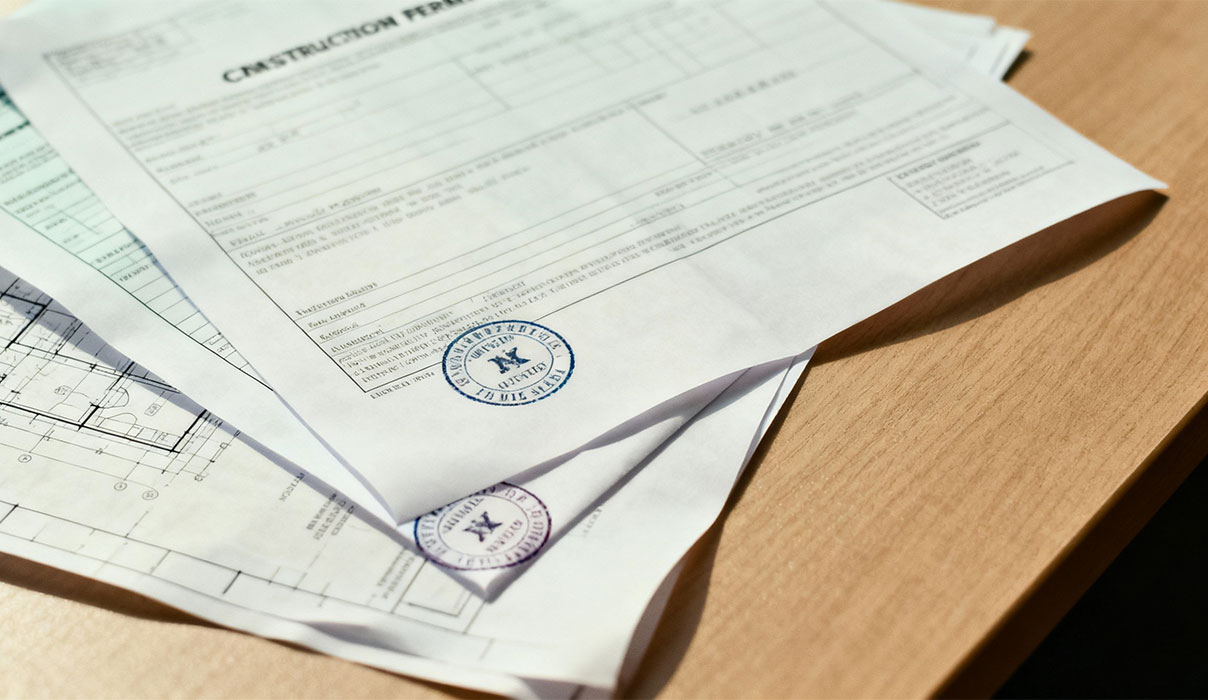
Builders are responsible for ensuring the project meets all applicable building codes, zoning requirements, and inspection standards. This protects both safety and long-term property value.
Risk Management and Problem Solving
Construction rarely goes exactly as planned. A licensed builder identifies potential issues early, resolves conflicts between trades, and adjusts plans when conditions change.
Budget and Timeline Management
While costs and timelines can vary, a licensed builder works to establish realistic expectations and minimize costly surprises through planning and experience.
Why Licensing Matters More Than People Realize
Licensing is not just a formality. It creates accountability.
A licensed residential builder:
- Is legally responsible for the work performed
- Must meet state standards for education and experience
- Is subject to regulatory oversight
- Operates within established construction laws and practices
This protects homeowners from unqualified work and helps ensure projects are completed correctly and responsibly.
How a Licensed Builder Protects Homeowners and Property Owners
A builder’s role extends beyond physical construction. Licensing allows builders to:
- Identify design or site issues before they become expensive problems
- Coordinate construction with permitting and inspections
- Protect property owners from unnecessary risk
- Ensure construction decisions align with long-term value
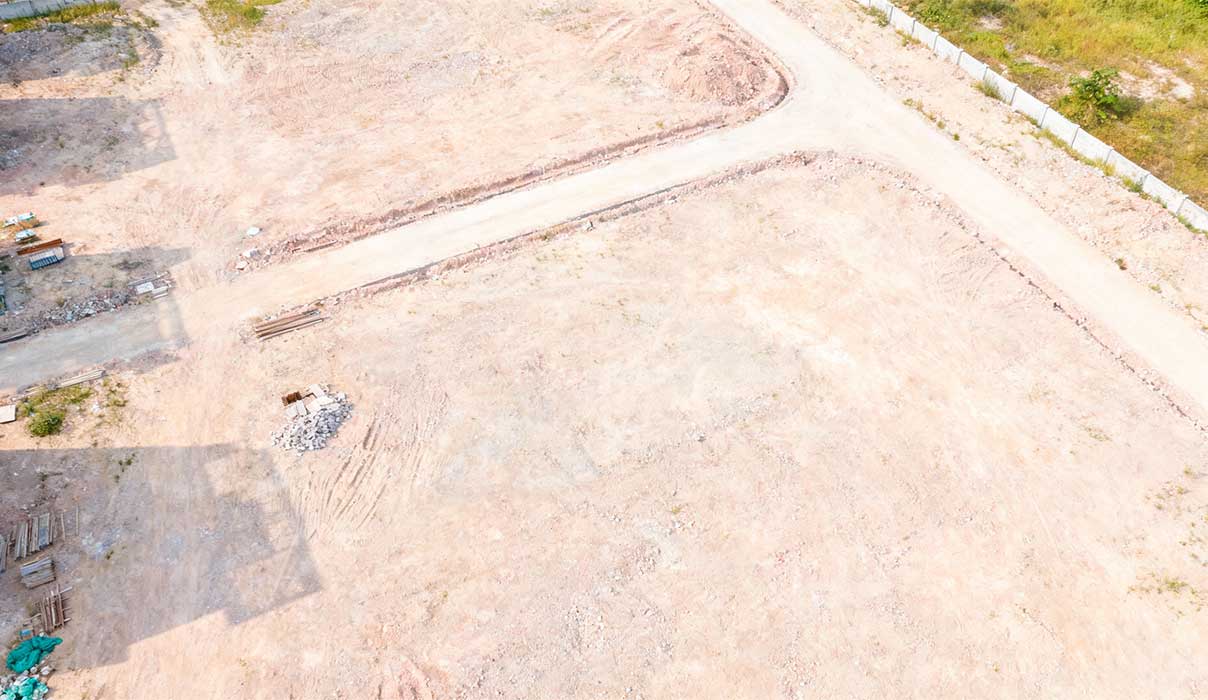
This is especially important when building on undeveloped land or purchasing property with plans to build.
Licensed Builder vs. Contractor: What’s the Difference?
While contractors often perform specific trades or scopes of work, a licensed residential builder oversees the entire project. The builder is responsible for:
- The overall outcome
- Coordination between trades
- Code compliance
- Project execution from start to finish
In many cases, contractors work for the licensed builder, not in place of one.
When Should You Involve a Licensed Builder?
Involving a licensed builder early can prevent costly mistakes. The best time to consult a builder is:
- Before purchasing land
- Before finalizing building plans
- Before committing to a construction budget
Early involvement allows issues to be identified before they affect timelines or costs.
How This Impacts Real Estate and Property Value
Construction decisions directly affect property value. A licensed builder understands how materials, layout, site conditions, and execution influence resale, durability, and long-term ownership costs.
This perspective is especially valuable when construction and real estate decisions intersect.
Final Thoughts
A licensed residential builder does far more than construct a structure. They manage risk, protect value, ensure compliance, and guide projects through complex decisions that most property owners face only once or twice in their lifetime.
Understanding this role helps property owners make informed choices and sets the foundation for successful construction outcomes.
Frequently Asked Questions
Do I need a licensed residential builder for all projects?
Most residential construction projects require a licensed builder, especially when structural work or permits are involved.
Can a licensed builder help before I buy property?
Yes. Builders can identify site, zoning, or construction concerns before purchase.
Does licensing guarantee quality?
Licensing establishes accountability and minimum standards. Experience and communication still matter.