
How do construction decisions affect property value?
Why Build Quality Matters Long After Construction Is Complete
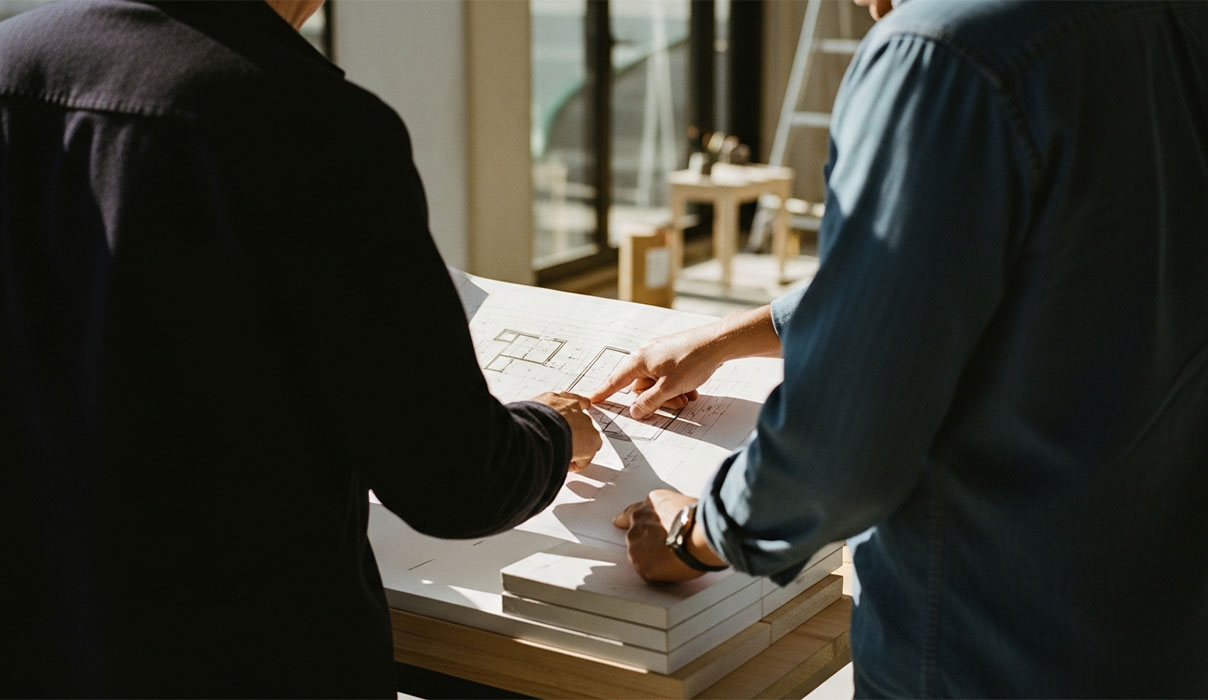
Construction decisions influence far more than how a property looks when it is finished. Materials, layout, workmanship, and site planning all play a role in how a property performs, maintains value, and is perceived over time.
Understanding how construction choices affect property value helps homeowners, buyers, and investors make decisions that hold up well beyond the initial build or renovation.
Quality of Construction Sets the Baseline
The quality of construction establishes the foundation for long-term value. Proper framing, structural integrity, and attention to detail are not always visible once finishes are installed, but they directly impact durability, maintenance costs, and buyer confidence.
Poor construction often reveals itself later through repairs, inefficiencies, and shortened lifespan of materials.
Materials Matter More Than Trends
Material selection affects value through longevity, performance, and maintenance. While design trends change, durable and well-installed materials tend to hold value longer.
Examples include:
- Roofing and exterior finishes with longer service life
- Energy-efficient windows and insulation
- Flooring materials appropriate for the space and use
Buyers often recognize quality materials even when they cannot immediately articulate why a home feels well built.
Layout and Function Influence Market Appeal
A well-designed layout supports how people actually live. Functional floor plans, storage considerations, and logical flow improve usability and market appeal.
Construction decisions that ignore function can limit resale potential, even if finishes appear high-end.
Energy Efficiency and Performance Considerations
Modern buyers increasingly consider operating costs. Construction decisions related to insulation, air sealing, HVAC systems, and windows affect both comfort and efficiency.
Homes that perform well tend to be easier to market and maintain stronger value over time.
Renovation Decisions Can Add or Reduce Value
Not all renovations improve value. Construction decisions should align with the property, neighborhood, and long-term expectations.
Overbuilding, poor-quality renovations, or inconsistent design choices can limit return on investment. Thoughtful execution tends to preserve value more effectively than excessive upgrades.
How This Impacts Real Estate Decisions
Construction quality plays a significant role in how properties are evaluated in the market. Buyers, inspectors, and appraisers all consider construction-related factors when assessing value.
Understanding this relationship helps property owners make smarter decisions when building, renovating, or preparing to sell.
Licensing, Disclosure, and Professional Roles
In Michigan, real estate services are provided through a licensed broker. Neil Hardcastle is a licensed real estate agent affiliated with Home 1st Real Estate, and all real estate services are conducted in accordance with Michigan real estate laws and regulations.
Construction and development insights provided by PG38 Development are separate from real estate brokerage services and are intended for educational and planning purposes.
Final Thoughts
Construction decisions are long-term decisions. While finishes and trends may change, quality construction, thoughtful planning, and proper execution continue to influence property value for years.
Understanding this connection allows property owners to protect value through informed construction choices.
FREQUENTLY ASKED QUESTIONS
Do higher construction costs always mean higher value?
No. Value depends on quality, execution, and market expectations, not just cost.
Can poor construction reduce resale value?
Yes. Construction deficiencies often surface during inspections and buyer evaluations.
Should construction decisions consider resale even if I plan to stay long-term?
Yes. Long-term value and performance still matter regardless of future plans.