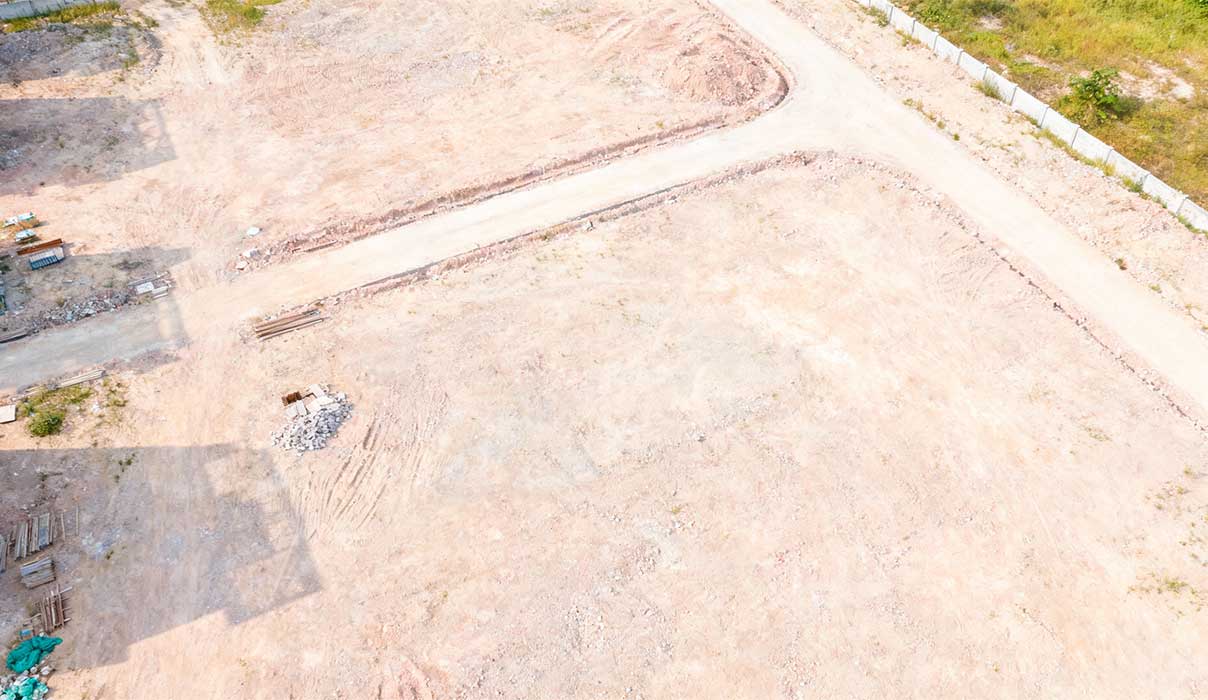

How do you evaluate land before buying it?
What Buyers Should Understand Before Purchasing Land
Buying land is very different from buying an existing home. While a property may appear usable at first glance, many of the most important factors are not visible from the road. Access, zoning, utilities, and site conditions all play a critical role in whether land can actually be used as intended.
Evaluating land before buying it helps reduce risk, avoid unexpected costs, and ensure the property supports your long-term goals.
Start With Intended Use
Before reviewing any documents or walking the property, determine how the land will be used. Residential construction, future development, agricultural use, or long-term investment all require different considerations.
Land that works well for one purpose may not work for another. Clear intent guides the evaluation process.
Confirm Legal and Physical Access
Access is one of the most important factors in land evaluation. A parcel may appear accessible, but that does not guarantee legal access exists.
- Items to verify include:
- Recorded road frontage
- Legally documented easements
- Year-round access for construction and emergency services
Lack of legal access can affect financing, permitting, and resale value.
Review Zoning and Land Use Rules
Zoning regulations control what can be built on a property. Before purchasing land, zoning classifications and restrictions should be reviewed carefully.
Important zoning considerations include:
- Permitted uses
- Minimum lot sizes
- Setbacks and buildable area
- Restrictions on accessory structures
Zoning changes should never be assumed.
Evaluate Utilities and Infrastructure
Utilities are often one of the largest hidden costs associated with land purchases. Not all parcels have access to public water, sewer, electricity, or gas.
Evaluation should include:
- Availability of utilities
- Distance to connection points
- Septic and well feasibility
- Estimated installation costs
These factors directly affect project feasibility and budget.
Understand Site Conditions and Topography
Topography and soil conditions influence construction complexity and cost. Even land that appears flat may require extensive site work.
Key items to evaluate include:
- Slope and elevation changes
- Drainage patterns
- Floodplain designation
- Soil suitability
Site conditions can significantly impact timelines and budgets.
Identify Easements and Restrictions
Easements and recorded restrictions can limit how land is used. These may include utility corridors, shared driveways, or conservation restrictions.
A title review should confirm:
- Easement locations
- Permitted uses within easement areas
- Permanent development limitations
These factors reduce usable land area and should be understood before purchase.
Due Diligence Goes Beyond Inspections
Land evaluation requires more than a standard inspection. Proper due diligence includes legal, regulatory, and physical review of the property.
This often involves:
- Survey review
- Zoning confirmation
- Utility verification
- Site evaluation by experienced professionals
Early diligence helps avoid costly surprises.
When to Involve a Builder or Development Professional
Involving a builder or development professional before purchasing land can provide valuable insight. Experience in construction allows potential challenges to be identified early.
This input helps clarify:
- Buildability
- Estimated costs
- Timeline expectations
- Long-term feasibility
Final Thoughts
Land purchases carry long-term consequences. Taking time to evaluate access, zoning, utilities, and site conditions before buying helps protect both investment and peace of mind.
A thorough evaluation creates clarity before construction or development begins.
FREQUENTLY ASKED QUESTIONS
Is land harder to evaluate than a home?
Yes. Many land-related risks are not visible without research and experience.
Can zoning be changed later?
Zoning changes are possible but not guaranteed and should not be relied upon.
Should land be evaluated even if building is years away?
Yes. Development limitations affect long-term value and resale.