
What is property evaluation and due diligence?
Why Due Diligence Matters Before You Commit to a Property
Property evaluation and due diligence are critical steps in protecting buyers from unexpected risk. While many people associate due diligence with inspections alone, the process is broader and more comprehensive. It involves understanding the physical, legal, and practical realities of a property before moving forward.
Proper due diligence helps buyers avoid properties that cannot be used as intended or that carry hidden costs and limitations.
What Is Property Evaluation?
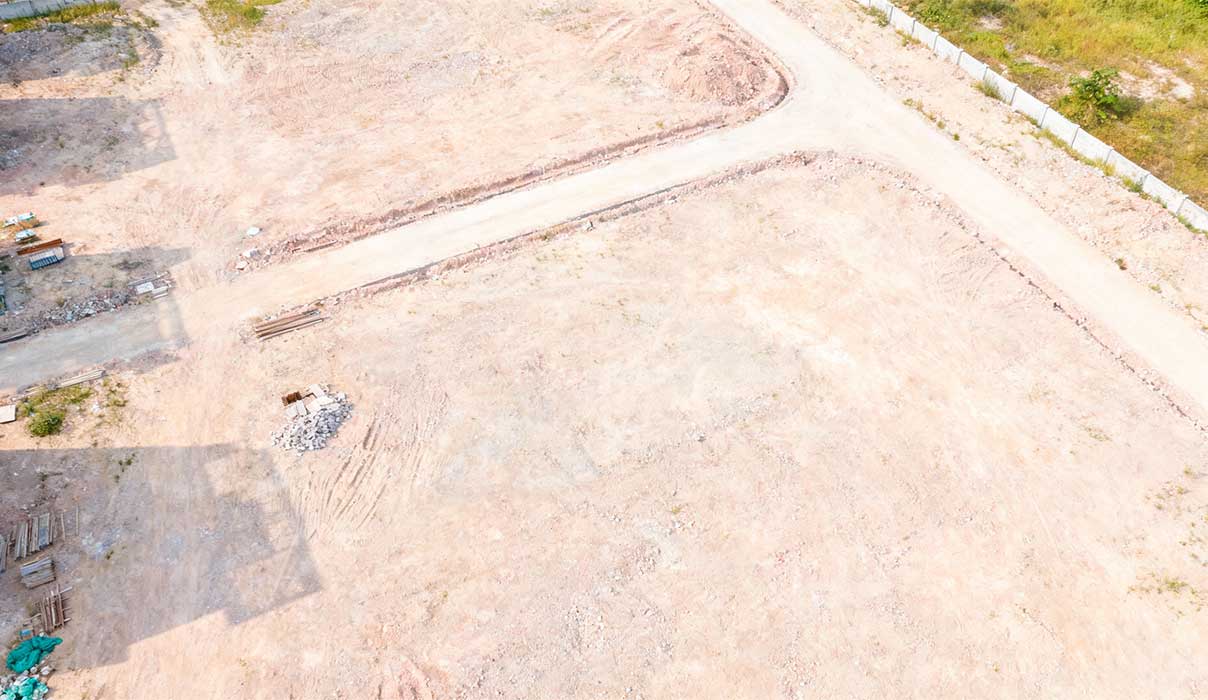
Property evaluation is the process of reviewing a property’s condition, usability, and potential before purchase. This applies to vacant land, residential properties, and properties intended for renovation or development.
Evaluation looks beyond appearance and focuses on how a property actually functions in the real world.
What Due Diligence Includes
Due diligence is the research and verification phase that supports informed decision-making. It often includes:
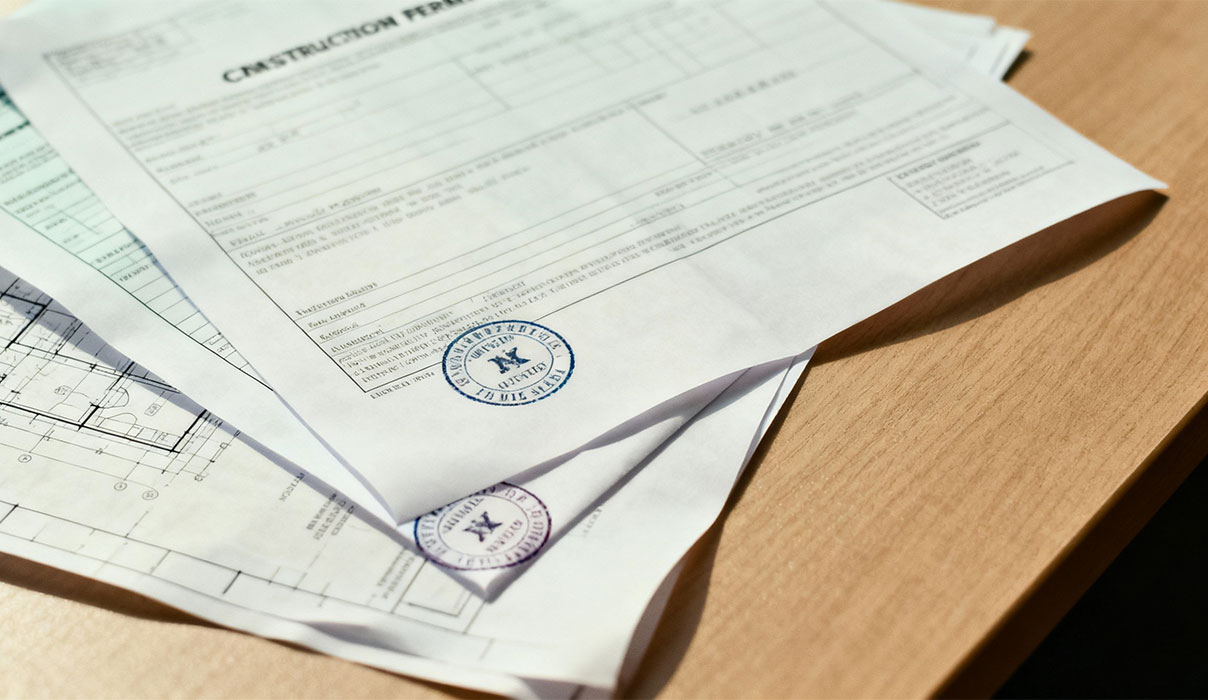
- Reviewing surveys and legal descriptions
- Confirming zoning and permitted use
- Verifying access and easements
- Evaluating utilities and infrastructure
- Understanding site conditions and constraints
Each step helps clarify whether a property aligns with the buyer’s goals.
Why Inspections Alone Are Not Enough
Home inspections focus on existing structures. While inspections are important, they do not address many issues that affect land, development potential, or future construction.
Due diligence fills the gaps inspections cannot, particularly for:
- Vacant land
- Properties with development plans
- Sites with access or zoning concerns
Relying solely on inspections can leave buyers exposed to avoidable risk.
Legal and Practical Considerations
A property may be legally transferable but practically unusable for its intended purpose. Due diligence helps identify:
- Zoning limitations
- Setback or coverage restrictions
- Easements that limit buildable area
- Utility availability or lack thereof
Understanding these factors early helps buyers avoid costly surprises after closing.
Timing Matters in Due Diligence
Due diligence is most effective when conducted before contingencies expire. Once contractual deadlines pass, options become limited.
Early evaluation allows buyers to:
- Renegotiate terms
- Request additional information
- Walk away when necessary
Delaying due diligence often shifts risk entirely onto the buyer.
How Construction Insight Strengthens Due Diligence
Construction and development experience adds an additional layer to property evaluation. Understanding how site conditions, access, and utilities affect buildability helps identify concerns that may not be obvious during a standard review.
This perspective is especially valuable when evaluating land or properties intended for future improvement.
Real Estate Representation and Professional Roles
In Michigan, real estate services must be provided through a licensed broker. Neil Hardcastle is a licensed real estate agent affiliated with Home 1st Real Estate, and all real estate services are conducted in accordance with Michigan real estate laws and regulations.
Property evaluation and due diligence guidance provided through PG38 Development is educational and planning-focused and does not replace legal, surveying, engineering, or brokerage services where those services are required.
Final Thoughts
Property evaluation and due diligence are about clarity. Taking the time to understand a property before committing helps buyers make confident decisions and avoid preventable issues.
Well-executed due diligence protects both financial investment and long-term usability.
FREQUENTLY ASKED QUESTIONS
Is due diligence required for every property purchase?
While not always legally required, due diligence is strongly recommended for all property types.
Does due diligence apply to vacant land?
Yes. Vacant land often carries more hidden risk than improved property.
Can due diligence be done after closing?
Some issues can be addressed later, but many risks are best identified before purchase.